

Choosing the right Licenses and Permits UK translation services is crucial for navigating complex application processes. Reputable services employ native legal experts, advanced technology, and strict quality control to ensure precise translations, avoiding legal pitfalls. Inaccurate translations can lead to severe consequences, so professional translators with expertise in legal terminology and cultural nuances are essential. Standardization, technology, and robust Quality Assurance measures guarantee accurate, legally compliant translations for immigration, business, and personal matters. Effective client-translator communication is key to success.
In the complex landscape of international compliance, navigating UK permit requirements demands meticulous precision. When it comes to licenses and permits, accurate translations are non-negotiable. This article explores the intricacies of ensuring clarity in UK permit translations, delving into critical aspects like understanding legal mandates, overcoming language barriers with professional services, and leveraging technology for standardized, error-free results. Discover how quality assurance checks and open communication foster successful case studies in licenses and permits UK translation services.
- Understanding UK Permit Requirements
- Accuracy in Translation: A Must
- Language Barriers: Common Challenges
- Professional Translators: Your Allies
- Legal Implications of Inaccurate Translations
- Standardization for Consistent Clarity
- Technology's Role in Precision Translation
- Quality Assurance Checks: Vital Steps
- Client-Translator Communication
- Case Studies: Successful UK Permit Translations
Understanding UK Permit Requirements
When translating documents for UK permit applications, understanding the specific requirements is paramount. Different types of permits – be it for work, travel, or residency – come with their own set of guidelines and criteria. Professional translation services in the UK are equipped to handle this variability by employing linguists who not only excel in language proficiency but also have a deep understanding of UK regulatory frameworks.
These services go beyond mere word-for-word translations. They ensure that all technical terms related to licenses and permits are accurately conveyed, preserving the integrity of information crucial for successful application outcomes. Additionally, they stay updated with any changes in legislation or regulations, guaranteeing that translations remain compliant and accurate.
Accuracy in Translation: A Must

When it comes to licenses and permits UK translation services, accuracy is paramount. Translators must have a deep understanding not just of the language, but also of the legal and regulatory context in which the documents operate. A single misstep can lead to serious consequences, including legal issues and delays.
Therefore, reputable translation services should employ strict quality control measures. This includes using native speakers with relevant legal expertise, cross-checking translations against original documents, and employing advanced technology like machine translation tools to ensure consistency and accuracy. The stakes are high when dealing with official paperwork, so choosing a service that guarantees precise translations is essential.
Language Barriers: Common Challenges

Language barriers pose significant challenges when it comes to understanding and obtaining UK permits and licenses, especially for non-native speakers. Accurate translations are crucial to ensure individuals can access essential services and comply with legal requirements. Common issues include misinterpretations of specific terms, differences in regulatory frameworks across languages, and the potential for nuanced meanings to be lost or altered during translation.
These barriers can lead to delays, confusion, and even legal complications. Professional UK translation services are vital to navigate these challenges, offering expertise in both the source and target languages. They employ qualified linguists who understand not just the words but also the cultural and legal contexts, ensuring precise and contextually appropriate translations for licenses and permits.
Professional Translators: Your Allies

Professional translators are invaluable allies when it comes to navigating the complexities of UK license and permit translations. With their expertise in both language and legal terminology, they ensure that every word is accurately conveyed, maintaining the integrity of the original document. These professionals are well-versed in various industries and regulatory frameworks, allowing them to provide precise translations tailored to specific requirements.
Their skill lies not only in mastering multiple languages but also in understanding the cultural nuances and legal systems involved. This ensures that translated permits and licenses are fit for purpose, avoiding potential issues and errors that could arise from amateurish or machine-generated translations. By enlisting their services, individuals and businesses can rest assured that their official documents are handled with precision and professionalism.
Legal Implications of Inaccurate Translations
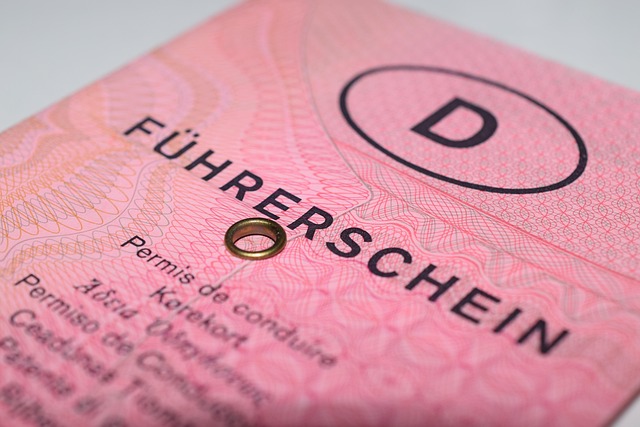
Inaccurate translations of licenses and permits can have significant legal implications in the UK. When documents such as driving licenses, work visas, or professional qualifications are translated, any errors or misunderstandings can lead to serious consequences. For instance, a wrong translation might result in an individual being wrongly granted a permit, leading to potential safety risks if they are operating vehicles or machinery unsuited to their skills. Similarly, business permits and licenses could be misinterpreted, causing companies to operate illegally or face severe penalties for non-compliance.
The consequences extend beyond the individual or company; they can also affect the reputation of translation services. In a country like the UK with stringent regulations, where clear and accurate communication is paramount, providers of Licenses and Permits UK translation services must maintain high standards. Failure to do so not only puts their clients at risk but also reflects poorly on the entire industry, underscoring the need for meticulous attention to detail in all translations.
Standardization for Consistent Clarity

In the realm of licenses and permits UK translation services, standardization plays a pivotal role in ensuring clarity. When translating official documents, maintaining consistency across different languages is paramount to prevent misinterpretation and confusion. Professional translators employ standardized terminology and formatting to bridge the gap between the source and target languages, making the translated content as clear and concise as the original.
This process involves rigorous research into industry-specific terminology and local cultural nuances to ensure accuracy. By adhering to established translation standards, service providers guarantee that individuals navigating complex UK regulatory frameworks, be it for immigration, business, or personal matters, receive precise and unambiguous translations. Standardization thus becomes a cornerstone in fostering trust and ensuring compliance with legal requirements.
Technology's Role in Precision Translation

In today’s digital era, technology has revolutionized many aspects of our lives, including the field of translation. For precise and accurate Licenses and Permits UK translation services, advanced tools and AI-powered platforms play a pivotal role. These technologies enable translators to navigate complex linguistic nuances with ease, ensuring that legal documents maintain their integrity and context across languages.
For example, machine translation engines can quickly break down sentences and offer multiple interpretations, allowing human translators to select the most suitable option based on the document’s specific requirements. Additionally, terminology databases and translation memory software help maintain consistency in industry-specific terms used in licenses and permits, reducing errors and enhancing overall clarity.
Quality Assurance Checks: Vital Steps

Ensuring accuracy in UK permit translations is paramount, especially considering the legal implications of these documents. Quality Assurance (QA) checks are vital steps in any translation process to guarantee integrity and compliance. These meticulous procedures involve multiple rounds of scrutiny by expert linguists who verify not only grammatical correctness but also the precise conveyance of technical terms specific to the industry or context.
Beyond syntax, QA teams scrutinize semantic fidelity, ensuring that the translated permit retains its original meaning and purpose while adhering to local regulations. This rigorous process includes back-translation, where a native speaker from the target language revises the work, further solidifying its quality. Implementing these QA measures is essential for UK translation services dealing with licenses and permits, as they offer clients peace of mind and ensure that translated documents are not only error-free but also legally sound.
Client-Translator Communication
Effective client-translator communication is paramount when it comes to ensuring clarity in UK permit translations. It involves a dynamic interplay where clients share their specific requirements, and translators interpret and convey them accurately. This process demands meticulous listening, questioning, and active listening from both parties. Clients should provide comprehensive context, including the type of license or permit, any unique terminology, and the intended audience. Translators, in turn, must clarify ambiguities, seek clarification on industry-specific jargon, and confirm understanding to avoid misinterpretations that could lead to legal issues.
UK translation services specializing in licenses and permits should establish clear channels for communication from the outset. Regular updates, progress reports, and feedback sessions allow clients to track the translation’s accuracy and quality. Open dialogue fosters a collaborative environment, ensuring the final document not only conveys the intended meaning but also meets regulatory requirements seamlessly.
Case Studies: Successful UK Permit Translations

Successful case studies highlight the importance of meticulous UK permit translations, especially in a nation with diverse linguistic needs. One notable example involves a multinational corporation expanding into the UK market. Their initial challenge was a complex set of permits and licenses from various regulatory bodies. They partnered with an expert translation service that specialised in Licenses and Permits UK translation services. The translators not only tackled technical jargon but also ensured cultural nuances were accurately conveyed, leading to a seamless legal process.
Another case involves a local start-up seeking investment from international venture capitalists. Their business plan, while robust, required precise translation to impress global investors. A professional translation service stepped in, translating not just words but also adapting the content to resonate with an international audience. This strategic approach ensured the start-up’s vision was clearly communicated, fostering a successful partnership and securing much-needed funding.
Ensuring clarity in UK permit translations is paramount for accurate legal navigation. By understanding the country’s requirements, leveraging professional translators, and implementing standardized processes with technology’s assistance, you can overcome language barriers. Quality assurance checks and open communication between clients and translators are essential to achieving consistent, indelible results. Remember that when it comes to licenses and permits UK translation services, precision matters—it’s not just about words, but about avoiding legal labyrinths and fostering successful outcomes.